In executive protection, an agent’s day begins before anyone else’s and ends after the last person has gone to bed. During travel, that gap only widens. For a protection professional, rising early isn’t about discipline or preference, it’s an operational necessity.
A Structured Start
The early morning hours offer a window of calm that can’t be reclaimed once the day begins. For many agents, the work starts around 5:00 AM, sometimes earlier in unstable environments. A disciplined routine typically looks like this:
- Wake up and immediately check overnight news and security alerts, political events, and global headlines that may directly affect operations. In some situations, you may need to wake up multiple times if the situation demands it.
- Review emails and operational updates to catch overnight changes.
- Physical conditioning: a workout to maintain stamina, readiness, and mental clarity. In this line of work, you can’t afford to get sluggish or out of shape, especially if you’re someone’s EPA or CPO.
- Eat a clean, nutritious meal to fuel what is often a 16+ hour day.
- Check in with the team to make sure everyone is aligned and equipped.
- Operational preparation: reviewing mission briefs, client schedules, routes, contingencies, and ensuring all gear is functional.
Intelligence First, Always
The earlier you start, the more control you have over chaos. I’ve seen too many mornings where the world changed before breakfast. A professional protection agent must be the first to detect both threats and opportunities. Many geopolitical and security developments—military strikes, political announcements, civil unrest—unfold overnight or at sunrise, and missing them can mean walking into a crisis unprepared.
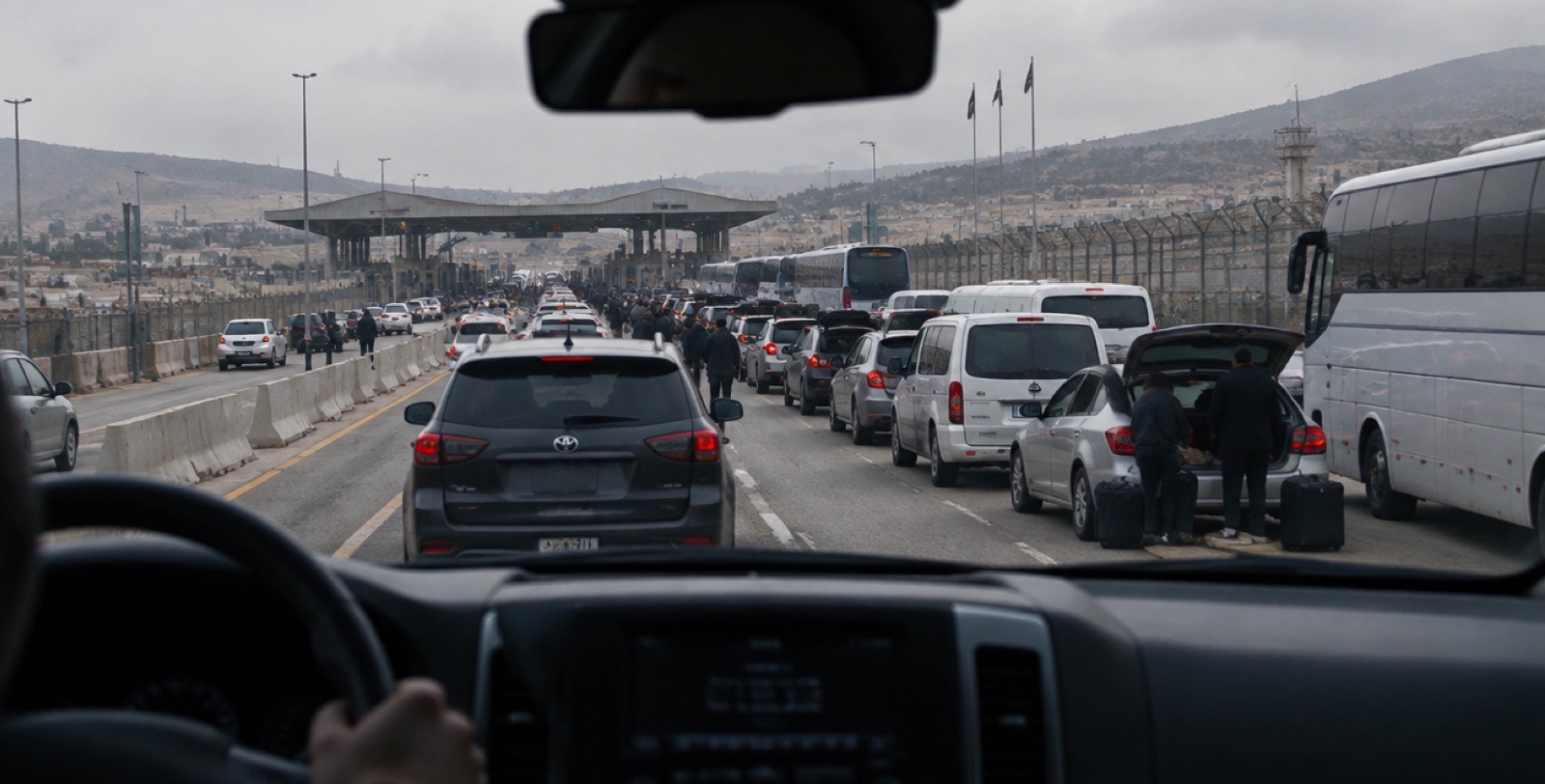
This year alone, I woke up to half a dozen major crises. Events such as Iranian missile strikes, escalations in Lebanon, and attacks in Sudan reshaped the operational landscape within hours. Sudden shifts often trigger flight cancellations, border closures, and transport disruptions. Early detection allows some teams to adapt and reroute, while others are left stranded in conflict zones.
Sometimes, checking the news once in the morning isn’t enough. Depending on the threat environment, agents may need to wake every few hours through the night just to stay ahead of unfolding events.
Why Early Matters
A seasoned executive protection agent is already deep into mission prep by the early morning hours:
- Reviewing the principal’s itinerary, locations, and engagements. Reservations must always be double-checked, because other people’s mistakes quickly become yours.
- Assessing updated schedules and risk reports.
- Scanning for new developments such as road closures, protests, or weather disruptions, and using GPS to confirm ETAs. Sudden traffic shifts or choke points are often detected this way before they become problems.
- Ensuring all communications and equipment are fully charged and operational.
This head start means the protection team is informed, equipped, and adaptable before the rest of the world begins to move.
Building Flexibility into the Day
Early-bird habits provide flexibility. Those extra hours give agents the chance to confirm safe routes, prepare contingencies, and coordinate with local partners—from venue staff and transport providers to law enforcement. By the time the day begins, Plans A, B, and C are already in place, ensuring agility when the unexpected inevitably happens.
Fitness and Readiness
Daily conditioning is non-negotiable for protection professionals. An early workout builds stamina for long hours, sharpens focus, and reduces stress under pressure. Skipping it risks fatigue, slower reactions, and poor decision-making; vulnerabilities no top-tier agent can afford.
Team Readiness and Coordination
One of the first priorities before the principal even wakes up is confirming that the entire team is operational—drivers in place, vehicles ready, and every agent accounted for. It may sound basic, but it’s our responsibility to make sure no one oversleeps and no detail is missed.
Early starts also create space for proper alignment. Morning briefings review roles, signals, communication protocols, and fallback strategies so that when pressure mounts, the team moves as one. This clarity ensures smooth handoffs, disciplined coordination, and the ability to manage dynamic situations with calm precision.
Advance Work and Operational Planning
In certain cases, a security team may need to conduct advance work in the early hours of the morning. From experience, in high-risk environments, you don’t have the luxury of relying solely on advance work done the day before. Conditions shift quickly—what was secure yesterday may not be safe today—so site reconnaissance must sometimes be performed on the same day, even within an hour of the principal’s movement.
Advance work is the cornerstone of executive protection. Before the principal moves, a specialist conducts hands-on checks to:
- Verify all entry and exit points.
- Assess choke points, blind spots, and other vulnerabilities.
- Reassess lighting, crowd dynamics, and environmental conditions.
- Confirm that primary and alternate routes are still viable.
By starting early, a protection team gains the calm and space to process information, anticipate challenges, and plan for contingencies before the day unfolds. Being ahead of the curve not only ensures smooth operations but also builds trust with the principal and everyone involved. For those of us in close protection, it is this quiet preparation that allows the day to run with confidence and control.